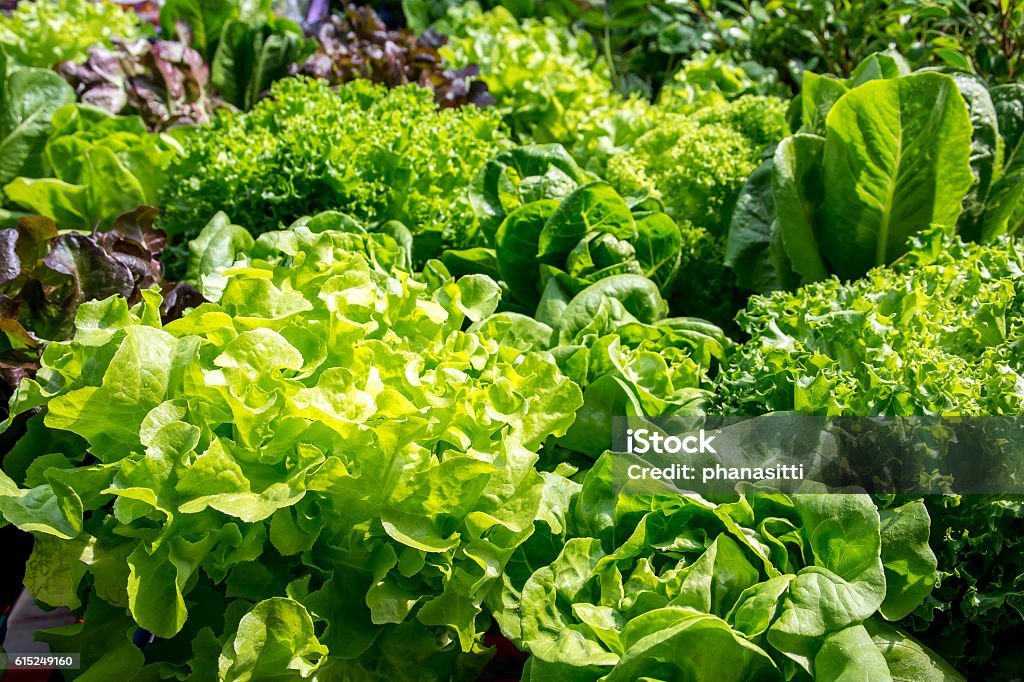
Sukuma Matumbo, a local Kenyan variety of collard greens, is known for its resilience, rich flavor, and high nutritional value. Whether you’re growing for home consumption or small-scale farming, following the correct steps from germination to replanting ensures a bountiful harvest.
1. Germination: Starting Sukuma Matumbo Seeds
Starting Sukuma Matumbo seeds in a controlled nursery environment helps protect the young seedlings from harsh weather, pests, and nutrient competition. Here’s what you need:
Germination Requirements Table
| Requirement | Ideal Condition | Importance |
|---|---|---|
| Soil Type | Loamy, well-drained, rich in compost | Provides essential nutrients and retains moisture without waterlogging |
| Soil pH | 6.0–6.8 | Slightly acidic to neutral pH enhances nutrient absorption |
| Planting Depth | 0.5 cm (¼ inch) | Prevents seeds from drying out or being buried too deep |
| Watering Frequency | Keep consistently moist (not soggy) | Ensures uniform germination without rot |
| Light Exposure | Indirect sunlight or partial shade | Prevents overheating and drying of young seedlings |
| Temperature | 18–25°C (65–77°F) | Ideal for enzyme activity and seedling emergence |
| Time to Germinate | 5–10 days | Optimal conditions lead to quick, even sprouting |
Pro Tip: Use seedling trays or shallow containers filled with composted soil. Mist lightly once or twice daily.
2. Transplanting to the Garden Bed
Once seedlings have 4–6 true leaves and are at least 10 cm tall (about 3–4 weeks after germination), they’re ready for transplanting.
Steps for Transplanting Sukuma Matumbo:
- Harden Off Seedlings: Move trays outdoors for a few hours daily over 5–7 days to acclimatize to outdoor conditions.
- Prepare the Bed: Loosen soil up to 30 cm deep, mix in compost or manure, and water the bed a day before transplanting.
- Spacing: Plant 30–45 cm apart in rows spaced 60 cm apart.
- Planting Depth: Plant at the same depth as they were in the nursery.
- Water Thoroughly: Immediately after transplanting to reduce transplant shock.
3. Growth & Maintenance
Once transplanted, Sukuma Matumbo requires consistent care to ensure healthy growth and resistance to pests and diseases.
Maintenance Requirements Table
| Factor | Ideal Practice | Importance |
|---|---|---|
| Watering | 2–3 times per week (more in dry seasons) | Maintains leaf tenderness and prevents wilting |
| Weeding | Bi-weekly hand or hoe weeding | Reduces competition and pest hiding places |
| Sunlight | Full sun (6–8 hrs/day) | Essential for robust leaf development |
| Temperature Range | 15–28°C (59–82°F) | Prevents bolting and promotes leafy growth |
| Pest Control | Neem oil spray or ash application every 2 weeks | Manages aphids, caterpillars, and flea beetles |
| Fertilizer | Apply compost or urea every 3 weeks | Replenishes nutrients, supports regrowth after harvest |
| Mulching | Apply dry grass or straw | Conserves moisture, suppresses weeds, and regulates soil temperature |
Common Pests: Aphids, cabbage loopers, cutworms. Use organic solutions or crop rotation to manage infestations.
4. Harvesting Sukuma Matumbo
- First Harvest: 6–8 weeks after transplanting.
- How to Harvest: Pick the outer leaves first, leaving the central growing point intact. This allows continuous regrowth.
- Frequency: Every 1–2 weeks as needed.
Tip: Harvest early in the morning for crisp, fresh leaves.
5. Replanting and Seed Saving
After 4–5 months, plants may start to flower. You can:
- Save Seeds: Let a few plants bolt (flower), then collect and dry the seed pods.
- Replant: Use saved seeds or new ones to start the next crop, preferably in a rotated plot to prevent soil nutrient depletion and disease buildup.
Why Grow Sukuma Matumbo?
- Nutritional Powerhouse: Rich in vitamins A, C, K, and calcium.
- Sustainable Crop: Grows well in diverse climates and soils.
- High Yield: Continuous leaf production for months with minimal inputs.
Final Thoughts
With proper germination, transplanting, and care, Sukuma Matumbo can feed your household or community consistently. Pay close attention to watering, pest management, and sunlight to keep your crop thriving. The cycle of growing, harvesting, and replanting ensures a steady supply of this beloved green vegetable.