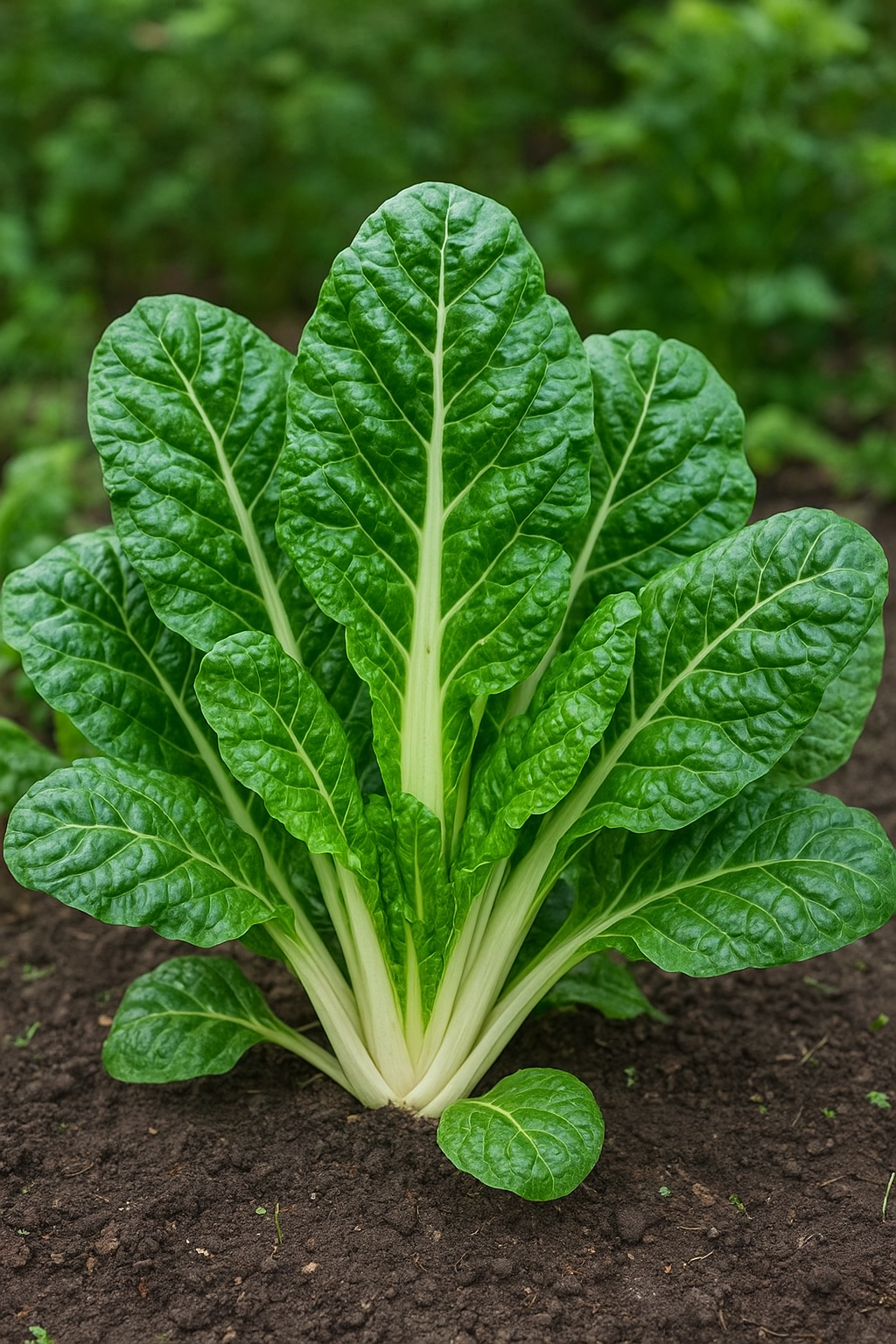
Fordhook Giant is a variety of Swiss chard known for its large, crinkled, dark green leaves and thick, white stalks. It’s a nutrient-dense and hardy green, perfect for home gardens. This guide walks you through the entire lifecycle—from germination indoors, to transplanting outdoors, maintenance, harvesting, and replanting for continuous yields.
Germination of Fordhook Giant Seeds
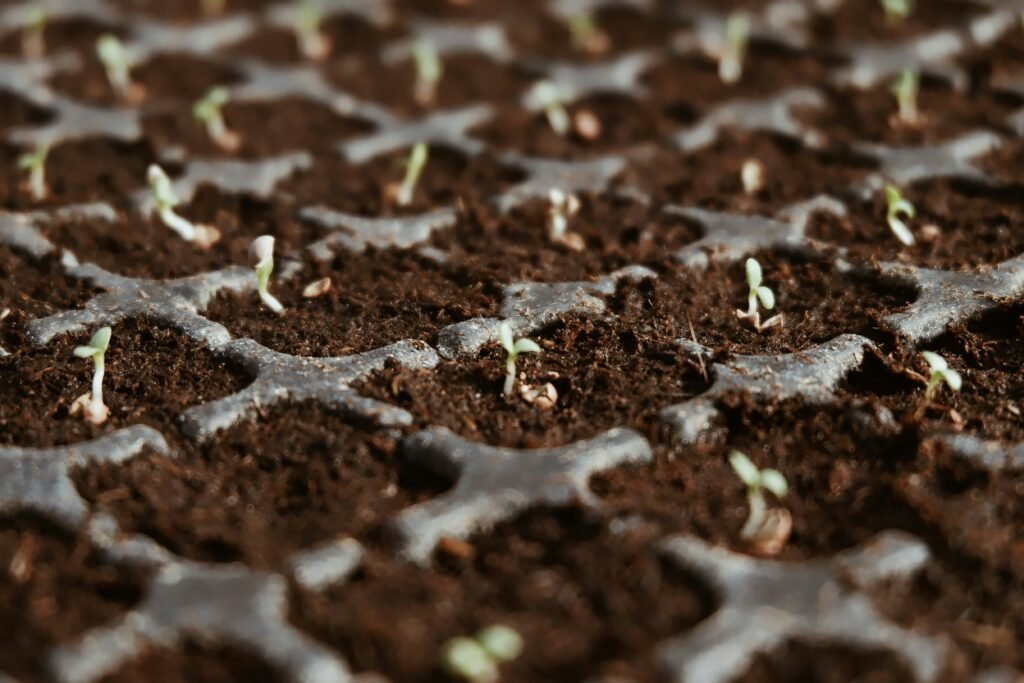
Starting Fordhook Giant indoors helps you get a head start on the growing season, especially in cooler climates. Here’s everything you need to know to ensure successful germination:
Germination Table: Requirements & Their Importance
| Requirements | Details | Importance |
|---|---|---|
| Seed Starting Time | 4 to 6 weeks prior to the date of the last frost. | Ensures plants are ready for transplanting when the soil warms. |
| Soil Type | Light, well-draining seed starting mix | Prevents damping-off (fungal disease) and encourages strong root growth. |
| Soil pH | 6.0–7.0 | Optimal pH for nutrient availability and seedling health. |
| Temperature | 65–75°F (18–24°C) | Promotes faster germination and healthier seedlings. |
| Planting Depth | ½ inch (1.25 cm) | Ensures proper emergence—too deep and seedlings struggle to reach light. |
| Watering | Keep soil evenly moist (not soggy) | Moisture is essential to activate seed enzymes and start germination. |
| Light | Bright indirect sunlight or grow lights | Light is crucial for healthy seedling development post-emergence. |
| Germination Time | 7–14 days | Patience is key—Fordhook Giant takes longer to sprout than some greens. |
Supplies Needed:
Grow light or sunny windowsill
- Fordhook Giant Swiss Chard seeds
2. Seed starting trays or small pots
3. Seed-starting mix (light and well-draining)
4. Spray bottle or gentle watering can
Germination Steps:
- Pre-soak Seeds (Optional): Soak seeds in warm water for 4–6 hours before planting. This softens the outer shell and speeds up germination.
- Fill Seed Trays: Fill trays with a sterile, moist seed-starting mix.
- Plant the Seeds: Sow seeds about ½ inch deep and cover lightly with soil.
- Water Gently: Mist the surface to moisten the soil without displacing the seeds.
- Provide Warmth and Light: Maintain a temperature of 60–75°F. Use a heat mat if necessary. Place trays under grow lights or near a sunny window.
- Keep Moist: Mist regularly to keep the soil consistently damp, not soggy.
Germination Time:
- Expect sprouts in 5 to 10 days.
Transplanting to the Garden Bed
Once your seedlings have at least 2–3 sets of true leaves, it’s time to harden them off. Make sure outdoor temperatures stay consistently above 50°F (10°C). You can then transplant them.
Hardening Off (Important!)
About a week before transplanting, start acclimating your seedlings to outdoor conditions:
- Day 1–2: 2 hours outside in shade
- Gradually increase time and sun exposure
- By Day 7, they should tolerate full sun and outdoor temps
Garden Bed Prep:
- Soil: Loamy, well-drained soil rich in organic matter
- pH: 6.0–6.8
- Spacing: 12–18 inches between plants; 18–24 inches between rows
- Sunlight: Full sun to partial shade
Transplanting Steps:
- Water seedlings an hour before transplanting.
- Dig holes deep enough to cover the roots and some of the lower stem.
- Press soil gently around the base and water thoroughly.
Maintenance and Growth
Fordhook Giant is a relatively low-maintenance crop but thrives with the right care.
Maintenance Table: Care Requirements & Importance
| Care Factor | Details | Importance |
|---|---|---|
| Watering | 1–1.5 inches per week; water deeply | Encourages deep root development and prevents bolting (premature flowering). |
| Sunlight | Full sun (6–8 hrs/day) or partial shade | Essential for robust leaf and stalk growth. |
| Temperature | Best: 55–75°F (13–24°C); tolerates light frost | Cooler temps keep leaves tender and slow bolting. |
| Fertilization | Balanced fertilizer every 3–4 weeks | Sustains leaf production through the growing season. |
| Pest Control | Watch for aphids, flea beetles, and leaf miners | Pests reduce yield and damage leaves—use neem oil or insecticidal soap. |
| Weeding | Regular weeding or mulching | Reduces competition for nutrients and water. |
Watering:
- Keep soil evenly moist, especially during dry spells.
- Water deeply at the base; avoid wetting leaves to prevent disease.
Feeding:
- Apply compost or a balanced fertilizer every 4–6 weeks.
- Liquid seaweed or fish emulsion works well as a foliar spray.
Mulching:
- Apply mulch to retain moisture and suppress weeds.
Pest and Disease Management:
- Watch for aphids, leaf miners, and flea beetles.
- Use row covers early in the season or neem oil as needed.
- Remove damaged leaves to encourage healthy growth.
Harvesting
Fordhook Giant is a “cut-and-come-again” plant, meaning you can harvest repeatedly.
When to Harvest:
- Start picking leaves when they are 6–8 inches long.
- Outer leaves mature first—harvest those and allow the inner ones to grow.
How to Harvest:
- Use scissors or pinch leaves off at the base.
- Leave at least ⅓ of the plant intact to encourage regrowth.
Flavor Tip:
- Young leaves are more tender and less bitter—perfect for salads.
- Mature leaves are great for sautés, soups, and casseroles.
Replanting & Succession Sowing
Swiss chard is a biennial, which means it can grow for two seasons in milder climates.
Succession Planting:
- Plant new seeds every 3–4 weeks for a continuous harvest.
Overwintering (In Mild Climates):
- In zones 7 and above, chard can overwinter with mulch protection.
- In colder zones, grow in a cold frame or bring indoors in containers.
Seed Saving:
- Allow a few plants to bolt (flower) in their second year.
- Collect seeds after flowers dry and turn brown.
- Store in a cool, dry place for planting next season.
Final Tips
- Companion Plants: Grow near carrots, onions, or radishes for pest deterrence.
- Avoid Crowding: Good air circulation reduces fungal issues.
- Cut Regularly: Encourages new leaf production and prevents aging of leaves.
Why Grow Fordhook Giant?
- Nutrient-Rich: Packed with vitamins A, C, and K, and rich in iron and magnesium.
- Cold Tolerant: Handles light frost better than many greens.
- Continuous Harvest: Offers months of leafy greens from a single planting.
Start Growing Today
Germinating and growing Fordhook Giant is a rewarding and beginner-friendly gardening experience. With just a little planning and care, you’ll enjoy bountiful harvests of this versatile green straight from your garden.