Tag: germinate

  • From Seed to Salad: Germinating and Growing Ethiopian Kale (Brassica carinata)

    From Seed to Salad: Germinating and Growing Ethiopian Kale (Brassica carinata)

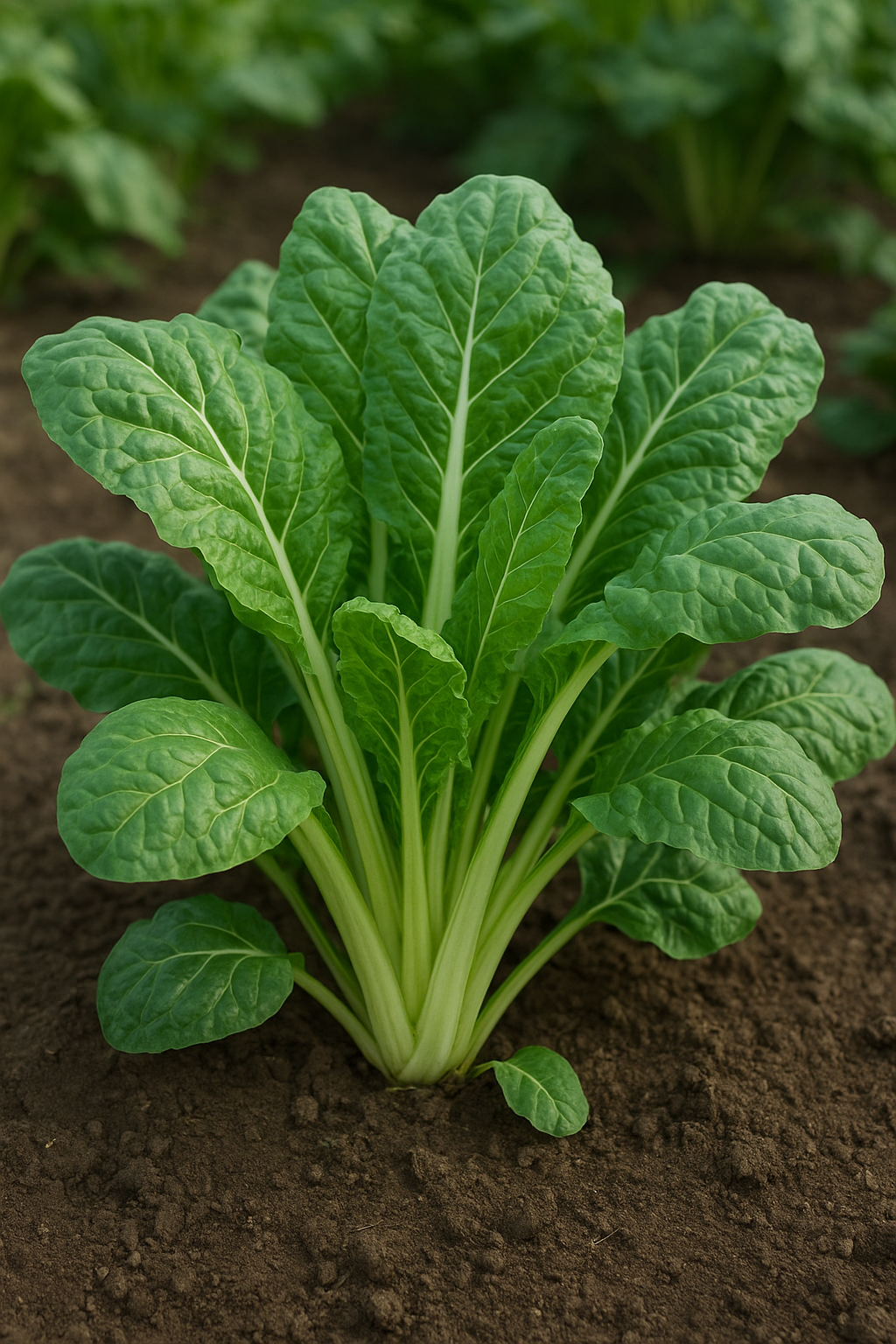
    Ethiopian kale, also known as gomenzer or Abyssinian mustard, is a leafy green powerhouse native to the Horn of Africa. Rich in calcium, iron, and antioxidants, it’s a hardy and quick-growing plant perfect for home gardens. In this blog, we’ll walk you through every stage of its life cycle—from germinating seeds indoors to harvesting lush greens in your garden bed.


    1. Germination: Starting Your Ethiopian Kale Seeds

    The first step to growing healthy Ethiopian kale is ensuring successful germination. You can begin seeds indoors in trays or small pots, ideally 4–6 weeks before the last frost date in your area.

    Table 1: Germination Requirements for Ethiopian Kale

    RequirementDetailsWhy It Matters
    SoilSeed-starting mix, well-drainingProvides the right structure and nutrients for early root development
    Seed Depth¼ inch (0.6 cm) deepPrevents seeds from rotting or drying out before sprouting
    WateringKeep consistently moist but not soggyMaintains ideal moisture levels for embryo activation
    Temperature65–75°F (18–24°C)Warmer temperatures speed up germination (typically 5–10 days)
    LightBright indirect light or grow lightLight is needed once seeds sprout to prevent leggy seedlings
    HumidityModerate to high (cover tray with plastic lid)Retains moisture and warmth, simulating a mini greenhouse
    Time to Germinate5–10 daysFaster than many greens—ideal for quick succession planting

    Steps for Indoor Germination:

    1. Fill seed trays with a moist, fine seed-starting mix.
    2. Sow seeds ¼ inch deep.
    3. Cover lightly with soil and gently press down.
    4. Mist lightly with water and cover trays with a humidity dome or plastic wrap.
    5. Place in a warm, well-lit spot.
    6. Remove cover once sprouted and continue watering as needed.

    2. Transplanting to the Garden Bed

    Once seedlings have 2–3 sets of true leaves and nighttime temperatures are reliably above 50°F (10°C), it’s time to harden them off and transplant outdoors.

    Hardening Off:

    Gradually expose seedlings to outdoor conditions over 7–10 days. Start with 2 hours of morning sun and increase exposure daily to prevent transplant shock.

    Transplanting Tips:

    • Choose a sunny, well-drained garden bed.
    • Space plants 12–18 inches apart.
    • Water the bed thoroughly before planting.
    • Transplant in the late afternoon or on an overcast day to reduce stress.

    3. Growing & Maintenance

    Once in the garden bed, Ethiopian kale grows vigorously with minimal fuss. Regular care ensures a long and productive harvest.

    Table 2: Growing & Maintenance Requirements

    RequirementDetailsWhy It Matters
    Watering1–1.5 inches per week (deep watering)Keeps soil moist, supports lush leaf growth, and prevents bolting
    Sunlight6–8 hours of full sun dailyEnsures strong photosynthesis and nutrient-rich leaves
    Soil pH6.0–7.0, rich in compostSupports healthy root development and nutrient uptake
    TemperatureIdeal: 60–75°F (15–24°C)Promotes vigorous growth without triggering bolting
    Pest ControlMonitor for aphids, flea beetles, cabbage wormsPests can quickly defoliate plants; neem oil or row covers are effective
    MulchingUse straw or leaves around plantsRetains soil moisture and prevents weed competition
    FertilizationLight feeding with compost or balanced organic fertilizer every 3–4 weeksKeeps plants productive without over-fertilizing

    4. Harvesting Ethiopian Kale

    You can begin harvesting young outer leaves when they reach 4–6 inches in length, typically 30–40 days after transplanting.

    Harvesting Tips:

    • Pick outer leaves and allow the center to keep growing (cut-and-come-again).
    • Harvest in the morning for best texture and flavor.
    • Stop harvesting once flowering begins unless saving seeds.

    5. Replanting and Seed Saving

    Ethiopian kale can be replanted multiple times in a season, especially in temperate climates. You can also save seeds for the next planting cycle.

    Replanting:

    • Start a new batch every 6–8 weeks for continuous greens.
    • Rotate planting locations to avoid soil-borne disease buildup.

    Seed Saving:

    • Allow a few plants to bolt and flower.
    • Pods will form and dry on the stem.
    • Harvest when pods are brown and brittle.
    • Store seeds in a cool, dry place.

    Why Grow Ethiopian Kale?

    • Nutrient-Dense: Packed with vitamins A, C, and calcium.
    • Cold-Hardy: Tolerates cool weather better than many brassicas.
    • Fast-Growing: Quick germination and regrowth after harvest.
    • Culinary Versatility: Use raw in salads or cooked in stews and stir-fries.

    In Conclusion, growing Ethiopian kale from seed is a satisfying and nutritious way to fill your garden with leafy greens. With just a bit of planning and care, you’ll enjoy multiple harvests from a single planting and have seeds ready for future seasons.

    Let your garden flourish—one leaf at a time!
  • How to Germinate Celery Seeds: From Seed to Garden Bed

    How to Germinate Celery Seeds: From Seed to Garden Bed

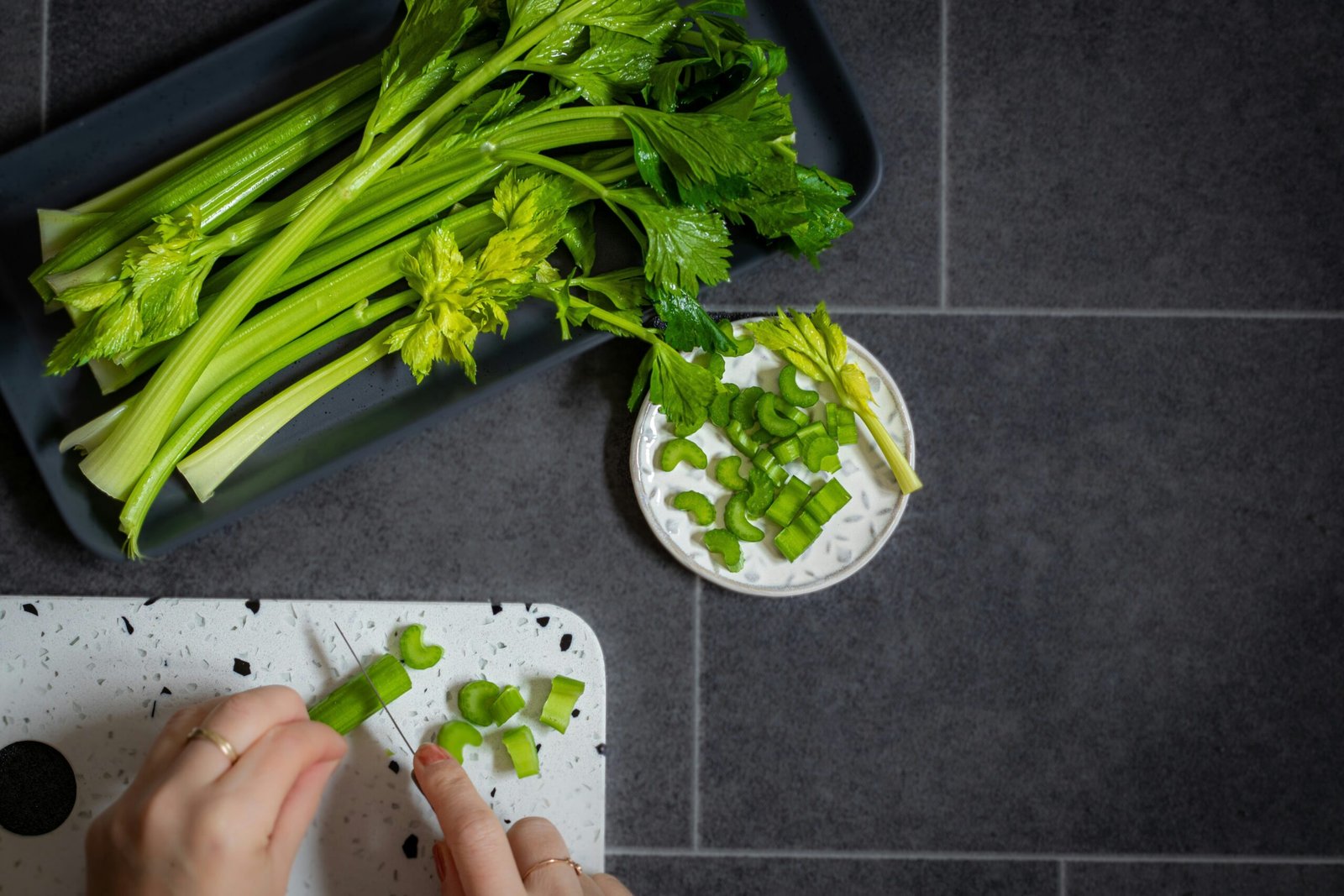
    Celery is a rewarding but slow-growing plant that requires patience and care. It thrives in cool weather and needs consistent moisture and attention throughout its lifecycle. Here’s a full guide on germinating celery seeds, transplanting them, growing them to maturity, harvesting, and replanting.


    Step 1: Germination Process

    Celery seeds are small and can be slow to germinate, often taking up to 3 weeks. Here’s how to ensure a successful start:

    1. Soak Seeds: Soak celery seeds in warm water for 12–24 hours before sowing to improve germination rates.
    2. Prepare Soil: Use a fine seed-starting mix, which retains moisture but drains well.
    3. Sow Seeds: Sow seeds on the surface of the soil and press them in lightly. Do not cover with soil, as celery seeds need light to germinate.
    4. Humidity Dome: Cover trays with a clear plastic lid or wrap in plastic to maintain humidity.
    5. Temperature: Keep the soil between 20–24°C (68–75°F).
    6. Light: Provide at least 12–16 hours of bright light daily using grow lights or a sunny window.

    Germination Table: Requirements and Importance

    RequirementDetailsImportance
    Soil TypeFine seed-starting mixEnsures seed contact and consistent moisture
    Light Exposure12–16 hours daily, indirectTriggers germination and prevents legginess
    Temperature20–24°C (68–75°F)Optimal for sprouting
    HumidityHigh, use humidity domePrevents seed desiccation
    WateringEven moisture, not soggySupports seed hydration without rot
    Seed Soaking12–24 hours pre-sowingSoftens seed coat for faster germination

    Step 2: Transferring Seedlings to Garden Bed

    Once the seedlings have 2–3 true leaves:

    1. Harden Off: Acclimate seedlings by placing them outside for increasing periods over 7–10 days.
    2. Prepare Bed: Celery prefers rich, well-draining soil amended with compost.
    3. Plant Spacing: Space plants 20–30 cm (8–12 inches) apart in rows 60 cm (24 inches) apart.
    4. Water In: Water thoroughly after transplanting.

    Step 3: Growth and Maintenance

    Celery is sensitive to dry conditions and heat. Maintenance includes consistent watering, mulching, and monitoring for pests and diseases.

    Maintenance Table: Requirements and Importance

    RequirementDetailsImportance
    Watering2.5–5 cm (1–2 inches) per weekPrevents bolting and keeps stalks tender
    Temperature15–21°C (60–70°F)Supports steady growth; extreme heat/cold damages plants
    SunlightFull sun to partial shadeEncourages healthy growth; too much shade reduces yield
    MulchingOrganic mulch like strawRetains moisture and suppresses weeds
    Pest ControlWatch for aphids, slugs, leaf minersPrevents plant damage and crop loss

    Step 4: Harvesting Celery

    • Timing: Harvest when stalks are about 20–30 cm (8–12 inches) tall, typically 3–4 months after transplanting.
    • Method: Cut outer stalks as needed or harvest the whole plant by cutting at the base.

    Step 5: Replanting and Regrowth

    Celery can regrow from the base:

    1. Cut the celery stalks, leaving about 2–3 inches of the base.
    2. Place the base in a shallow dish of water on a sunny windowsill.
    3. Once roots and new shoots appear (7–10 days), replant in soil.
    4. Maintain as with new plants.

    Final Notes

    Growing celery from seed takes patience but pays off with crisp, flavorful stalks. Focus on consistent care, especially in the early stages of growth. If you’d like help creating printable care cards or a visual planting calendar, let me know!

  • Building Your Bountiful Bed: A Guide to Raised Garden Construction and Layering

    Building Your Bountiful Bed: A Guide to Raised Garden Construction and Layering

    1. Step-by-Step Construction Guide

    Before you start, gather your materials and tools. For a typical raised bed (e.g., 4×8 feet and 12 inches high), you’ll need:

    • Materials:
      • Use untreated lumber, such as cedar or redwood. They are durable and rot-resistant. Avoid treated lumber because chemicals can leach into soil. Other durable materials include recycled plastic, stone, or galvanized metal.
      • Deck screws (3-inch and 2-inch) or suitable fasteners for your chosen material.
      • Optional: Corner brackets, landscape fabric (to line the bottom).
    • Tools:
      • Tape measure
      • Saw (hand saw or circular saw)
      • Drill with appropriate bits
      • Level
      • Square
      • Shovel or spade
      • Wheelbarrow (for moving materials)

    Construction Steps:

    1. Choose Your Location: Select a spot that receives at least 6-8 hours of direct sunlight per day. Ensure it has good drainage. The area should be reasonably level. Consider proximity to a water source.
    2. Measure and Cut Lumber: Based on your desired dimensions (e.g., 4×8 feet), cut your lumber. For a 4×8 bed, you’ll need two 8-foot boards and two 4-foot boards for each layer of height. For a 12-inch high bed, use 2×6 boards and stack them two high. Alternatively, use 2×12 boards for a single layer.
    3. Assemble the First Layer: Lay out your cut boards to form a rectangle on your chosen site. Using a drill and 3-inch deck screws, join the corners. Make sure the corners are square using your square tool.
    4. Add Subsequent Layers (if applicable): If building a taller bed, stack the next set of boards. Place them directly on top of the first. Offset the corners for stronger construction (like bricklaying). Secure the new layer to the one below using 2-inch screws, driving them down into the lower boards.
    5. Level the Bed: Once all layers are assembled, use your level. Ensure the top edges of the bed are level. If the ground is uneven, you need to dig out high spots. Alternatively, you have to build up low spots underneath the frame.
    6. Optional: Line the Bottom: Lining the bottom is not strictly necessary, but it’s good for drainage. You can lay down a layer of cardboard or landscape fabric at the bottom of the bed. This can help suppress weeds from growing up into your bed, especially if your bed is directly on turf.

    2. Layering Materials for Optimal Growth

    This is where the magic happens! Layering your raised bed (often called “lasagna gardening”) creates a nutrient-rich, well-draining environment for your plants. It’s a fantastic way to utilize organic materials.

    Why Layer? Layering mimics natural decomposition processes, providing a slow-release of nutrients, improving soil structure, enhancing drainage, and retaining moisture. It also reduces the amount of expensive bagged soil you need.

    Recommended Layers (from bottom up, for specialized growth):

    • Layer 1: Branches (Drainage & Aeration)
      • Purpose: The bed provides a coarse base for excellent drainage. It creates essential air pockets at the bottom of your bed. These pockets prevent waterlogging and promote healthy root development. These will decompose slowly, contributing to long-term soil structure.
      • Usage: Lay down a 3-6 inch layer of small to medium-sized branches. If you have any, larger branches can go at the very bottom, followed by smaller twigs.

    Layer 2: Dried Leaves (Carbon Source & Moisture Retention)

    • Purpose: A fantastic source of carbon, dried leaves break down to enrich the soil with organic matter. They also help retain moisture, acting like a sponge, and provide habitat for beneficial microorganisms.
    • Usage: Add a generous 4-6 inch layer of dried, shredded or whole leaves. Pack them down lightly.

    Layer 3: Red Soil (Base Nutrient Layer & Structure)

    • Purpose: It provides a good base of mineral nutrients. It also acts as a structural layer. This layer helps to hold the organic materials in place. Red soil often has good drainage properties and can be a good source of iron.
    • Usage: Spread a 3-4 inch layer of red soil evenly over the dried leaves.

    Layer 4: Red Soil (Second Nutrient Layer & Cover)

    • Purpose: This second layer of red soil acts as a barrier. It prevents the animal feed from attracting pests. It also provides another layer of essential minerals. It also serves as the immediate sub-surface for your final planting layer.
    • Usage: Add another 3-4 inch layer of red soil, completely covering the animal feed.

    Layer 5: DAP (Diammonium Phosphate) Fertilizer (Targeted Phosphorus & Nitrogen)

    • Purpose: DAP is a premium granular fertilizer that delivers two essential macronutrients: phosphorus (P) and nitrogen (N). Phosphorus is vital for developing roots, flowering, and producing fruit, whereas nitrogen aids in promoting lush green growth. This precise application guarantees that your seedlings receive immediate access to these crucial nutrients.
    • Usage: Gently spread DAP fertilizer over the upper layer of red soil. Adhere to the application rates suggested by the manufacturer, as excessive amounts can harm plants. Typically, a light and uniform dusting is adequate.
    • Layer 6: Topsoil/Garden Soil Mix (Final Planting Medium)
      • Purpose: The immediate growing medium for your plants. This is where your seedlings will be directly planted.
      • Usage: Fill the remaining space of your bed with a good quality topsoil. Mix in some additional compost or an organic garden soil blend. Make sure to leave about 6-8 inches of space. Leave about 2-3 inches from the top rim to prevent overflow when watering.

    After layering, water the entire bed thoroughly to help the layers settle and begin the decomposition process. This also helps to dissolve the DAP fertilizer and integrate it into the top layers of soil.

    3. Tips for Planting and Maintenance

    Now that your raised bed is built and layered, it’s time to bring it to life!

    Essential Planting Tips:

    • Select Appropriate Plants: Take into account your climate, the amount of sunlight, and your tastes. Investigate which plants thrive in your zone and ensure they are suitable for raised beds.
    • Companion Planting: Certain plants can support each other’s growth. For instance, marigolds can repel pests, while basil can enhance the flavor of tomatoes. Look into effective companion combinations for your selected crops.
    • Planting Density: Raised beds can support denser planting compared to traditional gardens because of their rich soil. Adhere to spacing recommendations, but remember that you can plant them closer together.
    • Watering: Raised beds tend to dry out more quickly than ground gardens. Regularly check the soil moisture and water thoroughly. Using drip irrigation or soaker hoses can be efficient methods.
    • Mulching: Apply a layer of organic mulch (straw, wood chips, shredded leaves) on top of your soil after planting. This helps retain moisture, suppress weeds, and regulate soil temperature.

    Maintenance Practices:

    • Weeding: Although raised beds typically have fewer weeds, they can still appear. Regularly pull them while they are small.
    • Fertilizing: The layered structure of the bed offers plenty of nutrients, but plants that require more will need extra support later in the season. Utilize organic fertilizers or add more compost as necessary.
    • Pest and Disease Management: Keep an eye on your plants frequently for indications of pests or diseases. Tackle problems early with organic remedies like neem oil, insecticidal soap, or by introducing beneficial insects.
    • Crop Rotation: If you grow the same crops annually, alter their positions within the bed. This practice will help to prevent nutrient depletion and minimize the buildup of diseases.
    • Replenish Soil: Over time, the organic matter in your bed will break down and settle. Each spring, refresh your bed by adding a few inches of new compost and a garden soil mix.

    Establishing and maintaining a raised garden bed through this specific layering method is a rewarding project. It provides a rich, nutrient-packed setting for growing your own food. By adhering to these steps and suggestions, you’re heading towards a lively, fruitful garden. Wishing you joyful gardening!

    This guide offers general recommendations. Always customize techniques to fit your unique climate, plant requirements, and local resources. When using fertilizers like DAP, always follow safety protocols and manufacturer guidelines carefully.