Tag: replanting

  • From Seed to Salad: Germinating and Growing Ethiopian Kale (Brassica carinata)

    From Seed to Salad: Germinating and Growing Ethiopian Kale (Brassica carinata)

    Ethiopian kale, also known as gomenzer or Abyssinian mustard, is a leafy green powerhouse native to the Horn of Africa. Rich in calcium, iron, and antioxidants, it’s a hardy and quick-growing plant perfect for home gardens. In this blog, we’ll walk you through every stage of its life cycle—from germinating seeds indoors to harvesting lush greens in your garden bed.


    1. Germination: Starting Your Ethiopian Kale Seeds

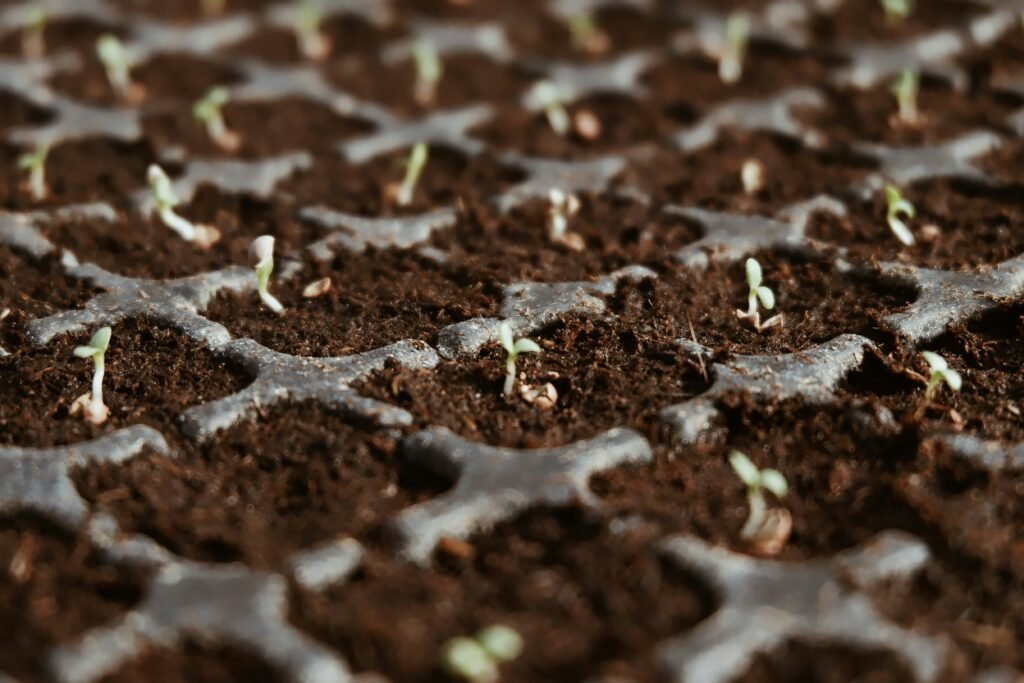
    The first step to growing healthy Ethiopian kale is ensuring successful germination. You can begin seeds indoors in trays or small pots, ideally 4–6 weeks before the last frost date in your area.

    Table 1: Germination Requirements for Ethiopian Kale

    RequirementDetailsWhy It Matters
    SoilSeed-starting mix, well-drainingProvides the right structure and nutrients for early root development
    Seed Depth¼ inch (0.6 cm) deepPrevents seeds from rotting or drying out before sprouting
    WateringKeep consistently moist but not soggyMaintains ideal moisture levels for embryo activation
    Temperature65–75°F (18–24°C)Warmer temperatures speed up germination (typically 5–10 days)
    LightBright indirect light or grow lightLight is needed once seeds sprout to prevent leggy seedlings
    HumidityModerate to high (cover tray with plastic lid)Retains moisture and warmth, simulating a mini greenhouse
    Time to Germinate5–10 daysFaster than many greens—ideal for quick succession planting

    Steps for Indoor Germination:

    1. Fill seed trays with a moist, fine seed-starting mix.
    2. Sow seeds ¼ inch deep.
    3. Cover lightly with soil and gently press down.
    4. Mist lightly with water and cover trays with a humidity dome or plastic wrap.
    5. Place in a warm, well-lit spot.
    6. Remove cover once sprouted and continue watering as needed.

    2. Transplanting to the Garden Bed

    Once seedlings have 2–3 sets of true leaves and nighttime temperatures are reliably above 50°F (10°C), it’s time to harden them off and transplant outdoors.

    Hardening Off:

    Gradually expose seedlings to outdoor conditions over 7–10 days. Start with 2 hours of morning sun and increase exposure daily to prevent transplant shock.

    Transplanting Tips:

    • Choose a sunny, well-drained garden bed.
    • Space plants 12–18 inches apart.
    • Water the bed thoroughly before planting.
    • Transplant in the late afternoon or on an overcast day to reduce stress.

    3. Growing & Maintenance

    Once in the garden bed, Ethiopian kale grows vigorously with minimal fuss. Regular care ensures a long and productive harvest.

    Table 2: Growing & Maintenance Requirements

    RequirementDetailsWhy It Matters
    Watering1–1.5 inches per week (deep watering)Keeps soil moist, supports lush leaf growth, and prevents bolting
    Sunlight6–8 hours of full sun dailyEnsures strong photosynthesis and nutrient-rich leaves
    Soil pH6.0–7.0, rich in compostSupports healthy root development and nutrient uptake
    TemperatureIdeal: 60–75°F (15–24°C)Promotes vigorous growth without triggering bolting
    Pest ControlMonitor for aphids, flea beetles, cabbage wormsPests can quickly defoliate plants; neem oil or row covers are effective
    MulchingUse straw or leaves around plantsRetains soil moisture and prevents weed competition
    FertilizationLight feeding with compost or balanced organic fertilizer every 3–4 weeksKeeps plants productive without over-fertilizing

    4. Harvesting Ethiopian Kale

    You can begin harvesting young outer leaves when they reach 4–6 inches in length, typically 30–40 days after transplanting.

    Harvesting Tips:

    • Pick outer leaves and allow the center to keep growing (cut-and-come-again).
    • Harvest in the morning for best texture and flavor.
    • Stop harvesting once flowering begins unless saving seeds.

    5. Replanting and Seed Saving

    Ethiopian kale can be replanted multiple times in a season, especially in temperate climates. You can also save seeds for the next planting cycle.

    Replanting:

    • Start a new batch every 6–8 weeks for continuous greens.
    • Rotate planting locations to avoid soil-borne disease buildup.

    Seed Saving:

    • Allow a few plants to bolt and flower.
    • Pods will form and dry on the stem.
    • Harvest when pods are brown and brittle.
    • Store seeds in a cool, dry place.

    Why Grow Ethiopian Kale?

    • Nutrient-Dense: Packed with vitamins A, C, and calcium.
    • Cold-Hardy: Tolerates cool weather better than many brassicas.
    • Fast-Growing: Quick germination and regrowth after harvest.
    • Culinary Versatility: Use raw in salads or cooked in stews and stir-fries.

    In Conclusion, growing Ethiopian kale from seed is a satisfying and nutritious way to fill your garden with leafy greens. With just a bit of planning and care, you’ll enjoy multiple harvests from a single planting and have seeds ready for future seasons.

    Let your garden flourish—one leaf at a time!
  • Growing Fordhook Giant Chard: From Germination to Harvest

    Growing Fordhook Giant Chard: From Germination to Harvest

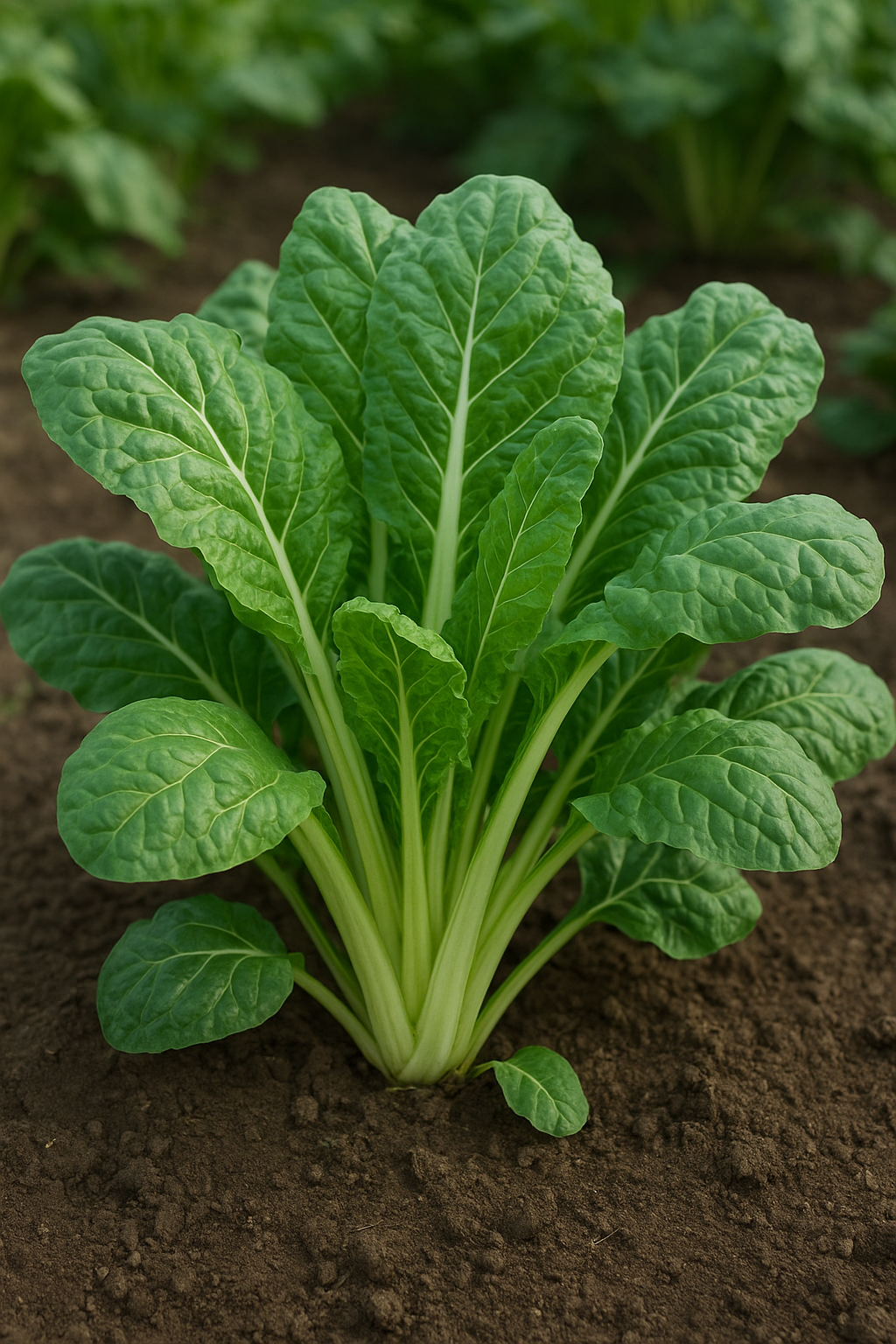
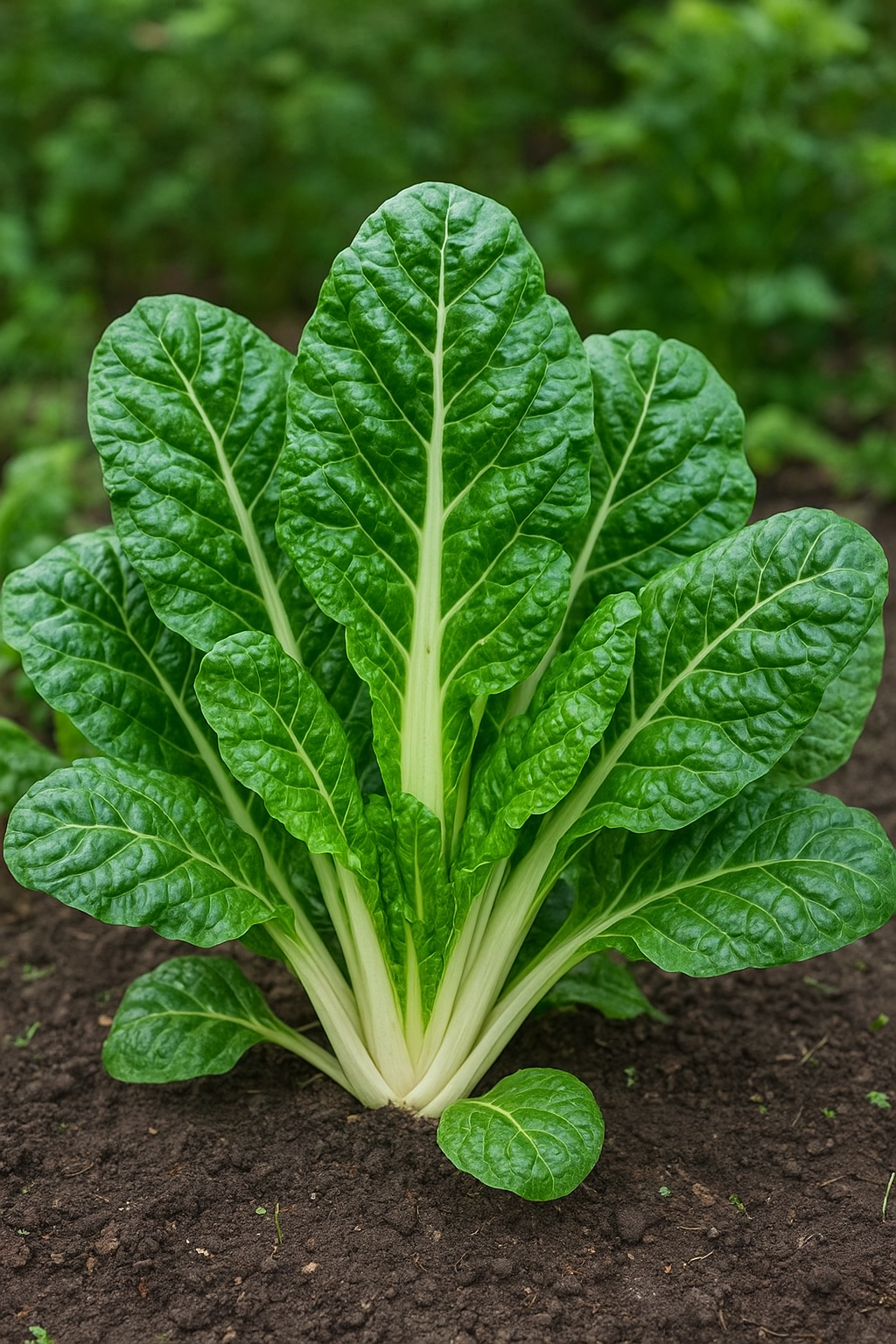
    Fordhook Giant is a variety of Swiss chard known for its large, crinkled, dark green leaves and thick, white stalks. It’s a nutrient-dense and hardy green, perfect for home gardens. This guide walks you through the entire lifecycle—from germination indoors, to transplanting outdoors, maintenance, harvesting, and replanting for continuous yields.

    Germination of Fordhook Giant Seeds

    Starting Fordhook Giant indoors helps you get a head start on the growing season, especially in cooler climates. Here’s everything you need to know to ensure successful germination:

    Germination Table: Requirements & Their Importance

    RequirementsDetailsImportance
    Seed Starting Time4 to 6 weeks prior to the date of the last frost.Ensures plants are ready for transplanting when the soil warms.
    Soil TypeLight, well-draining seed starting mixPrevents damping-off (fungal disease) and encourages strong root growth.
    Soil pH6.0–7.0Optimal pH for nutrient availability and seedling health.
    Temperature65–75°F (18–24°C)Promotes faster germination and healthier seedlings.
    Planting Depth½ inch (1.25 cm)Ensures proper emergence—too deep and seedlings struggle to reach light.
    WateringKeep soil evenly moist (not soggy)Moisture is essential to activate seed enzymes and start germination.
    LightBright indirect sunlight or grow lightsLight is crucial for healthy seedling development post-emergence.
    Germination Time7–14 daysPatience is key—Fordhook Giant takes longer to sprout than some greens.

    Supplies Needed:

    Grow light or sunny windowsill

    1. Fordhook Giant Swiss Chard seeds

    2. Seed starting trays or small pots

    3. Seed-starting mix (light and well-draining)

    4. Spray bottle or gentle watering can

    Germination Steps:

    1. Pre-soak Seeds (Optional): Soak seeds in warm water for 4–6 hours before planting. This softens the outer shell and speeds up germination.
    2. Fill Seed Trays: Fill trays with a sterile, moist seed-starting mix.
    3. Plant the Seeds: Sow seeds about ½ inch deep and cover lightly with soil.
    4. Water Gently: Mist the surface to moisten the soil without displacing the seeds.
    5. Provide Warmth and Light: Maintain a temperature of 60–75°F. Use a heat mat if necessary. Place trays under grow lights or near a sunny window.
    6. Keep Moist: Mist regularly to keep the soil consistently damp, not soggy.

    Germination Time:

    • Expect sprouts in 5 to 10 days.
    Photo by Photo by Devi Puspita Amartha Yahya on Unsplash

    Transplanting to the Garden Bed

    Once your seedlings have at least 2–3 sets of true leaves, it’s time to harden them off. Make sure outdoor temperatures stay consistently above 50°F (10°C). You can then transplant them.

    Hardening Off (Important!)

    About a week before transplanting, start acclimating your seedlings to outdoor conditions:

    • Day 1–2: 2 hours outside in shade
    • Gradually increase time and sun exposure
    • By Day 7, they should tolerate full sun and outdoor temps

    Garden Bed Prep:

    • Soil: Loamy, well-drained soil rich in organic matter
    • pH: 6.0–6.8
    • Spacing: 12–18 inches between plants; 18–24 inches between rows
    • Sunlight: Full sun to partial shade

    Transplanting Steps:

    1. Water seedlings an hour before transplanting.
    2. Dig holes deep enough to cover the roots and some of the lower stem.
    3. Press soil gently around the base and water thoroughly.

    Maintenance and Growth

    Fordhook Giant is a relatively low-maintenance crop but thrives with the right care.

    Maintenance Table: Care Requirements & Importance

    Care FactorDetailsImportance
    Watering1–1.5 inches per week; water deeplyEncourages deep root development and prevents bolting (premature flowering).
    SunlightFull sun (6–8 hrs/day) or partial shadeEssential for robust leaf and stalk growth.
    TemperatureBest: 55–75°F (13–24°C); tolerates light frostCooler temps keep leaves tender and slow bolting.
    FertilizationBalanced fertilizer every 3–4 weeksSustains leaf production through the growing season.
    Pest ControlWatch for aphids, flea beetles, and leaf minersPests reduce yield and damage leaves—use neem oil or insecticidal soap.
    WeedingRegular weeding or mulchingReduces competition for nutrients and water.

    Watering:

    • Keep soil evenly moist, especially during dry spells.
    • Water deeply at the base; avoid wetting leaves to prevent disease.

    Feeding:

    • Apply compost or a balanced fertilizer every 4–6 weeks.
    • Liquid seaweed or fish emulsion works well as a foliar spray.

    Mulching:

    • Apply mulch to retain moisture and suppress weeds.

    Pest and Disease Management:

    • Watch for aphids, leaf miners, and flea beetles.
    • Use row covers early in the season or neem oil as needed.
    • Remove damaged leaves to encourage healthy growth.

    Harvesting

    Fordhook Giant is a “cut-and-come-again” plant, meaning you can harvest repeatedly.

    When to Harvest:

    • Start picking leaves when they are 6–8 inches long.
    • Outer leaves mature first—harvest those and allow the inner ones to grow.

    How to Harvest:

    • Use scissors or pinch leaves off at the base.
    • Leave at least ⅓ of the plant intact to encourage regrowth.

    Flavor Tip:

    • Young leaves are more tender and less bitter—perfect for salads.
    • Mature leaves are great for sautés, soups, and casseroles.

    Replanting & Succession Sowing

    Swiss chard is a biennial, which means it can grow for two seasons in milder climates.

    Succession Planting:

    • Plant new seeds every 3–4 weeks for a continuous harvest.

    Overwintering (In Mild Climates):

    • In zones 7 and above, chard can overwinter with mulch protection.
    • In colder zones, grow in a cold frame or bring indoors in containers.

    Seed Saving:

    • Allow a few plants to bolt (flower) in their second year.
    • Collect seeds after flowers dry and turn brown.
    • Store in a cool, dry place for planting next season.

    Final Tips

    • Companion Plants: Grow near carrots, onions, or radishes for pest deterrence.
    • Avoid Crowding: Good air circulation reduces fungal issues.
    • Cut Regularly: Encourages new leaf production and prevents aging of leaves.

    Why Grow Fordhook Giant?

    • Nutrient-Rich: Packed with vitamins A, C, and K, and rich in iron and magnesium.
    • Cold Tolerant: Handles light frost better than many greens.
    • Continuous Harvest: Offers months of leafy greens from a single planting.

    Start Growing Today

    Germinating and growing Fordhook Giant is a rewarding and beginner-friendly gardening experience. With just a little planning and care, you’ll enjoy bountiful harvests of this versatile green straight from your garden.

  • How to Germinate and Grow Sukuma Matumbo (Collard Greens) Successfully

    How to Germinate and Grow Sukuma Matumbo (Collard Greens) Successfully

    Sukuma Matumbo, a local Kenyan variety of collard greens, is known for its resilience, rich flavor, and high nutritional value. Whether you’re growing for home consumption or small-scale farming, following the correct steps from germination to replanting ensures a bountiful harvest.


    1. Germination: Starting Sukuma Matumbo Seeds

    Starting Sukuma Matumbo seeds in a controlled nursery environment helps protect the young seedlings from harsh weather, pests, and nutrient competition. Here’s what you need:

    Germination Requirements Table

    RequirementIdeal ConditionImportance
    Soil TypeLoamy, well-drained, rich in compostProvides essential nutrients and retains moisture without waterlogging
    Soil pH6.0–6.8Slightly acidic to neutral pH enhances nutrient absorption
    Planting Depth0.5 cm (¼ inch)Prevents seeds from drying out or being buried too deep
    Watering FrequencyKeep consistently moist (not soggy)Ensures uniform germination without rot
    Light ExposureIndirect sunlight or partial shadePrevents overheating and drying of young seedlings
    Temperature18–25°C (65–77°F)Ideal for enzyme activity and seedling emergence
    Time to Germinate5–10 daysOptimal conditions lead to quick, even sprouting

    Pro Tip: Use seedling trays or shallow containers filled with composted soil. Mist lightly once or twice daily.


    2. Transplanting to the Garden Bed

    Once seedlings have 4–6 true leaves and are at least 10 cm tall (about 3–4 weeks after germination), they’re ready for transplanting.

    Steps for Transplanting Sukuma Matumbo:

    1. Harden Off Seedlings: Move trays outdoors for a few hours daily over 5–7 days to acclimatize to outdoor conditions.
    2. Prepare the Bed: Loosen soil up to 30 cm deep, mix in compost or manure, and water the bed a day before transplanting.
    3. Spacing: Plant 30–45 cm apart in rows spaced 60 cm apart.
    4. Planting Depth: Plant at the same depth as they were in the nursery.
    5. Water Thoroughly: Immediately after transplanting to reduce transplant shock.

    3. Growth & Maintenance

    Once transplanted, Sukuma Matumbo requires consistent care to ensure healthy growth and resistance to pests and diseases.

    Maintenance Requirements Table

    FactorIdeal PracticeImportance
    Watering2–3 times per week (more in dry seasons)Maintains leaf tenderness and prevents wilting
    WeedingBi-weekly hand or hoe weedingReduces competition and pest hiding places
    SunlightFull sun (6–8 hrs/day)Essential for robust leaf development
    Temperature Range15–28°C (59–82°F)Prevents bolting and promotes leafy growth
    Pest ControlNeem oil spray or ash application every 2 weeksManages aphids, caterpillars, and flea beetles
    FertilizerApply compost or urea every 3 weeksReplenishes nutrients, supports regrowth after harvest
    MulchingApply dry grass or strawConserves moisture, suppresses weeds, and regulates soil temperature

    Common Pests: Aphids, cabbage loopers, cutworms. Use organic solutions or crop rotation to manage infestations.


    4. Harvesting Sukuma Matumbo

    • First Harvest: 6–8 weeks after transplanting.
    • How to Harvest: Pick the outer leaves first, leaving the central growing point intact. This allows continuous regrowth.
    • Frequency: Every 1–2 weeks as needed.

    Tip: Harvest early in the morning for crisp, fresh leaves.


    5. Replanting and Seed Saving

    After 4–5 months, plants may start to flower. You can:

    • Save Seeds: Let a few plants bolt (flower), then collect and dry the seed pods.
    • Replant: Use saved seeds or new ones to start the next crop, preferably in a rotated plot to prevent soil nutrient depletion and disease buildup.

    Why Grow Sukuma Matumbo?

    • Nutritional Powerhouse: Rich in vitamins A, C, K, and calcium.
    • Sustainable Crop: Grows well in diverse climates and soils.
    • High Yield: Continuous leaf production for months with minimal inputs.

    Final Thoughts

    With proper germination, transplanting, and care, Sukuma Matumbo can feed your household or community consistently. Pay close attention to watering, pest management, and sunlight to keep your crop thriving. The cycle of growing, harvesting, and replanting ensures a steady supply of this beloved green vegetable.

  • How to Germinate Celery Seeds: From Seed to Garden Bed

    How to Germinate Celery Seeds: From Seed to Garden Bed

    Celery is a rewarding but slow-growing plant that requires patience and care. It thrives in cool weather and needs consistent moisture and attention throughout its lifecycle. Here’s a full guide on germinating celery seeds, transplanting them, growing them to maturity, harvesting, and replanting.


    Step 1: Germination Process

    Celery seeds are small and can be slow to germinate, often taking up to 3 weeks. Here’s how to ensure a successful start:

    1. Soak Seeds: Soak celery seeds in warm water for 12–24 hours before sowing to improve germination rates.
    2. Prepare Soil: Use a fine seed-starting mix, which retains moisture but drains well.
    3. Sow Seeds: Sow seeds on the surface of the soil and press them in lightly. Do not cover with soil, as celery seeds need light to germinate.
    4. Humidity Dome: Cover trays with a clear plastic lid or wrap in plastic to maintain humidity.
    5. Temperature: Keep the soil between 20–24°C (68–75°F).
    6. Light: Provide at least 12–16 hours of bright light daily using grow lights or a sunny window.

    Germination Table: Requirements and Importance

    RequirementDetailsImportance
    Soil TypeFine seed-starting mixEnsures seed contact and consistent moisture
    Light Exposure12–16 hours daily, indirectTriggers germination and prevents legginess
    Temperature20–24°C (68–75°F)Optimal for sprouting
    HumidityHigh, use humidity domePrevents seed desiccation
    WateringEven moisture, not soggySupports seed hydration without rot
    Seed Soaking12–24 hours pre-sowingSoftens seed coat for faster germination

    Step 2: Transferring Seedlings to Garden Bed

    Once the seedlings have 2–3 true leaves:

    1. Harden Off: Acclimate seedlings by placing them outside for increasing periods over 7–10 days.
    2. Prepare Bed: Celery prefers rich, well-draining soil amended with compost.
    3. Plant Spacing: Space plants 20–30 cm (8–12 inches) apart in rows 60 cm (24 inches) apart.
    4. Water In: Water thoroughly after transplanting.

    Step 3: Growth and Maintenance

    Celery is sensitive to dry conditions and heat. Maintenance includes consistent watering, mulching, and monitoring for pests and diseases.

    Maintenance Table: Requirements and Importance

    RequirementDetailsImportance
    Watering2.5–5 cm (1–2 inches) per weekPrevents bolting and keeps stalks tender
    Temperature15–21°C (60–70°F)Supports steady growth; extreme heat/cold damages plants
    SunlightFull sun to partial shadeEncourages healthy growth; too much shade reduces yield
    MulchingOrganic mulch like strawRetains moisture and suppresses weeds
    Pest ControlWatch for aphids, slugs, leaf minersPrevents plant damage and crop loss

    Step 4: Harvesting Celery

    • Timing: Harvest when stalks are about 20–30 cm (8–12 inches) tall, typically 3–4 months after transplanting.
    • Method: Cut outer stalks as needed or harvest the whole plant by cutting at the base.

    Step 5: Replanting and Regrowth

    Celery can regrow from the base:

    1. Cut the celery stalks, leaving about 2–3 inches of the base.
    2. Place the base in a shallow dish of water on a sunny windowsill.
    3. Once roots and new shoots appear (7–10 days), replant in soil.
    4. Maintain as with new plants.

    Final Notes

    Growing celery from seed takes patience but pays off with crisp, flavorful stalks. Focus on consistent care, especially in the early stages of growth. If you’d like help creating printable care cards or a visual planting calendar, let me know!